
Commercial kitchens operate under relentless pressure. Between constant foot traffic, heavy equipment, spills, and strict hygiene standards, the floor beneath it all carries a significant burden. Businesses across the Sunshine State are turning to Epoxy Floor Coatings Florida as a proven solution for flooring that can withstand the daily demands of a professional kitchen environment. This article explores the most important questions facility managers and business owners ask before making the switch.
Why Do Commercial Kitchens Need Specialized Flooring?
Standard flooring options simply weren't designed for the commercial kitchen environment. Grease, moisture, heavy rolling equipment, and extreme temperature changes all work together to break down conventional surfaces over time.
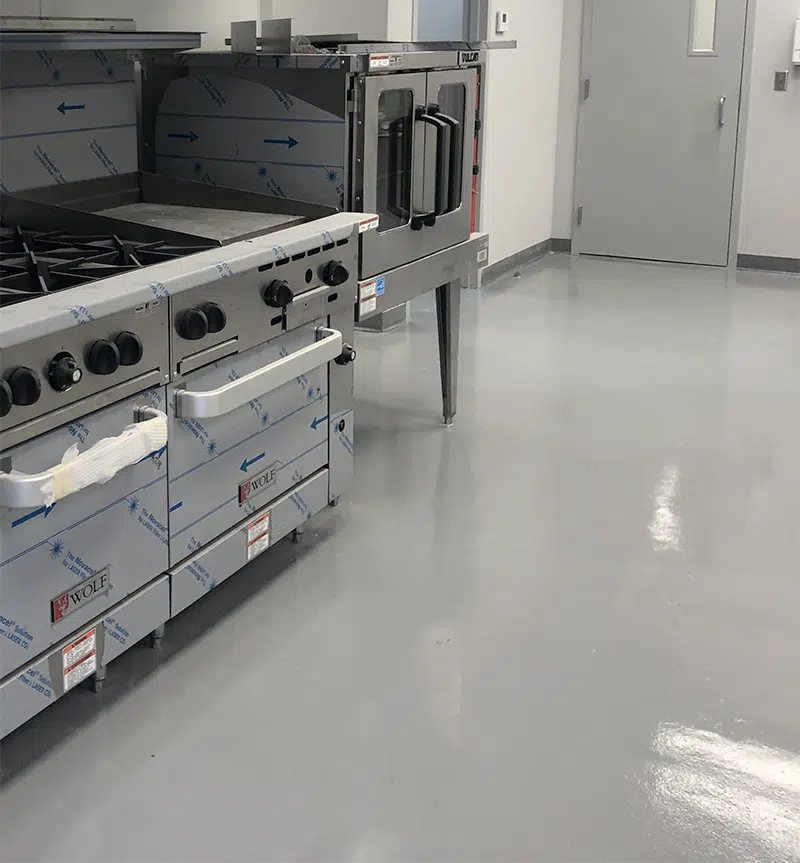
Epoxy coatings create a seamless, non-porous surface that resists all of these challenges. Unlike tile or bare concrete, an epoxy-coated floor has no grout lines where bacteria can accumulate. This makes the surface far easier to sanitize—a critical factor in any food service setting.
Health inspectors across Florida pay close attention to flooring conditions during routine facility reviews. A well-maintained, sealed floor signals professionalism and compliance.
How Long Does an Epoxy Floor Coating Last in a Commercial Kitchen?
Durability is one of the most frequently asked questions, and for good reason. A commercial kitchen flooring investment needs to pay off over time.
When properly installed and maintained, epoxy coatings in high-traffic commercial environments demonstrate exceptional longevity. The lifespan depends on several factors:
Traffic volume: Kitchens with continuous foot traffic and heavy cart movement will experience more wear than lower-activity spaces.
Surface preparation: Proper concrete preparation before application directly impacts how well the coating bonds and how long it holds.
Maintenance routine: Regular cleaning with appropriate, non-abrasive products extends the coating's life considerably.
Coating thickness: Thicker systems provide greater resistance to impact and abrasion.
Facilities that invest in professional installation and follow a consistent maintenance schedule consistently see strong long-term performance from their epoxy floors.
Is Epoxy Flooring Slip-Resistant Enough for a Kitchen Environment?
This is a valid safety concern. Kitchens are prone to spills, and a slippery floor is a genuine liability.
The good news is that epoxy systems can be customized with anti-slip additives—such as aluminum oxide or quartz aggregate—that are broadcast into the top coat during installation. These additives create surface texture without compromising the floor's cleanability.
Florida's occupational safety regulations hold commercial kitchen operators accountable for maintaining safe working environments. Slip-resistant epoxy flooring directly supports that obligation while reducing the risk of workplace injury.
What Makes Florida's Climate a Unique Factor in Epoxy Floor Selection?
Florida's heat and humidity create specific challenges for flooring installations. High ambient moisture levels can interfere with epoxy adhesion if the concrete substrate isn't properly prepared and tested before application.
Experienced Florida-based installers understand how to account for these conditions. They test concrete moisture vapor emissions, apply appropriate primers, and select epoxy formulations suited to Florida's climate. Cutting corners on this step leads to peeling, bubbling, and premature failure—outcomes that cost far more to correct than to prevent.
Proper installation in Florida's environment also means timing the job correctly, avoiding application during periods of extreme humidity where possible.
How Difficult Is It to Clean and Maintain an Epoxy Kitchen Floor?
Daily maintenance is straightforward. The seamless, non-porous surface doesn't trap grease or food particles the way grout lines and cracks do. A routine sweep followed by mopping with a neutral-pH cleaner is typically all that's needed for regular upkeep.
Periodic deep cleaning using a low-pressure scrubber removes any buildup in high-grease zones near cooking equipment. Unlike some flooring materials, epoxy doesn't require stripping, waxing, or resurfacing as part of routine care.
For Florida commercial kitchens operating on tight schedules, this ease of maintenance translates directly into time saved and cleaning costs reduced.
Final Thoughts: Is Epoxy Flooring the Right Choice for Your Commercial Kitchen?
For Florida-based food service operations seeking a flooring solution that holds up under real-world kitchen conditions, epoxy coatings offer a compelling combination of durability, hygiene, safety, and low maintenance. The key is working with an experienced local installer who understands both the product and the state's unique environmental conditions. A well-executed installation pays dividends for years.