
Automated trading has become an integral part of the modern forex landscape, offering traders a way to execute strategies with speed and precision that manual trading cannot match. As technology continues to evolve, the integration of automated systems within forex trading platforms has grown increasingly sophisticated, transforming how both beginners and professional traders operate. This article explores key aspects of automated trading and the role of forex trading platforms in facilitating this approach.
Understanding Automated Trading in Forex
Automated trading, often referred to as algorithmic or robot trading, involves using computer programs to execute trades based on predefined criteria without human intervention. These programs, known as expert advisors (EAs) or trading bots, analyze market data, identify trading opportunities, and place orders automatically according to the trader’s strategy.
The appeal of automated trading lies in its ability to eliminate emotional decision-making, maintain discipline, and operate continuously—even during off-hours or periods of high market volatility. This can help traders capitalize on opportunities that might be missed manually and execute trades faster than humanly possible.
Key Features of Forex Trading Platforms Supporting Automation
Forex trading platforms that support automated trading typically provide several important features:
- Strategy Development and Backtesting
Most platforms offer tools that allow traders to create and program their trading strategies using coding languages such as MQL4 for MetaTrader 4 or MQL5 for MetaTrader 5. Backtesting enables traders to apply these strategies to historical data to evaluate performance and optimize parameters before going live. - Integration with Expert Advisors
Platforms like MetaTrader provide seamless integration with expert advisors, enabling easy installation, configuration, and management of automated trading bots. This integration simplifies the process of running automated strategies alongside manual trading. - Real-Time Market Data and Execution
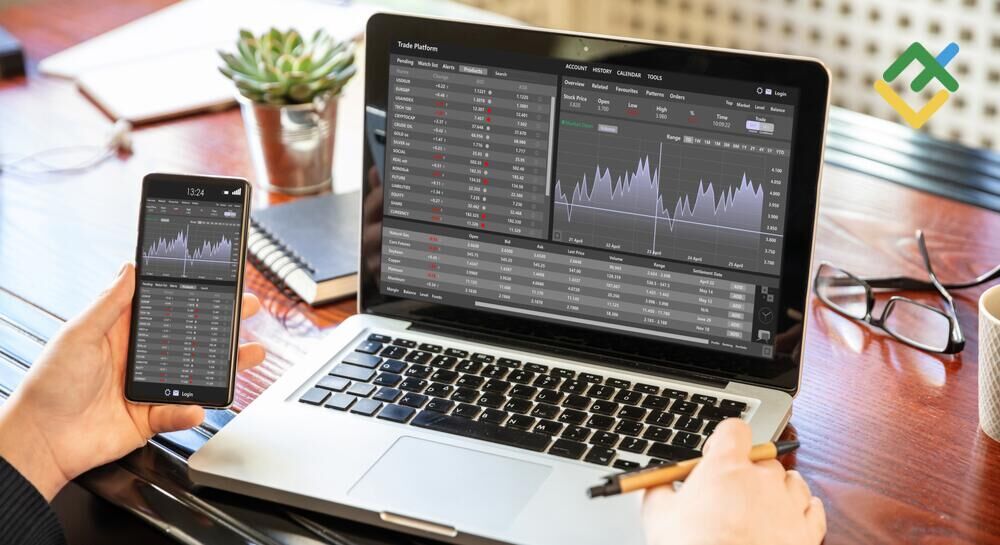
Reliable and real-time market data feeds are essential for effective automated trading. Trading platforms deliver fast and accurate price information and execute orders with minimal latency, which is critical when trades depend on split-second market movements.
- Risk Management Tools
Good platforms allow automation to include risk controls such as stop-loss orders, take-profit levels, and position sizing rules. These safeguards help prevent excessive losses and protect profits within automated systems.
Advantages of Automated Trading
Automated trading offers several distinct benefits:
- Consistency: Automated systems follow strategies without deviation, ensuring consistent application regardless of emotional states.
- Speed: Bots can process large amounts of data and execute trades much faster than humans.
- 24/7 Operation: Automated systems can monitor markets and trade around the clock, capturing opportunities in different time zones.
- Backtesting: Traders can rigorously test strategies against past data to refine and improve performance before committing real capital.
Challenges and Considerations
Despite its advantages, automated trading is not without challenges. Developing effective trading algorithms requires technical knowledge and a thorough understanding of market behavior. Poorly designed systems may lead to significant losses, especially in volatile markets.
Moreover, automated strategies may perform differently in live conditions compared to backtested results due to slippage, changing market dynamics, or technical issues. Therefore, continuous monitoring and adjustments are necessary.
Choosing the Right Platform
When selecting a forex trading platform for automation, traders should consider factors such as ease of use, available tools for strategy development, execution speed, and reliability. Platforms with strong community support and extensive educational resources can help traders develop and refine automated strategies effectively.
Conclusion
Automated trading has revolutionized forex trading by combining technology and strategy to enhance execution efficiency and consistency. Forex trading platforms play a critical role by providing the necessary tools and infrastructure to develop, test, and deploy automated systems. While automation offers significant advantages, traders should approach it with careful planning, ongoing evaluation, and a clear understanding of both the opportunities and risks involved. By doing so, automated trading can become a powerful component of a well-rounded trading approach.