
Asbestos remains one of the most significant health hazards in older buildings. Studies indicate that buildings constructed before the 1980s have a high probability of containing asbestos materials. According to recent surveys, nearly 30% of UK homes built during this period contain some form of asbestos, most commonly in insulation, ceiling tiles, or flooring. An asbestos test conducted by certified specialists not only identifies potential risks but also provides a clear pathway for safe management or removal. Ignoring this step could lead to prolonged exposure, which has been linked to serious respiratory illnesses, including mesothelioma and lung cancer.
What Are the Primary Risks Associated With Asbestos?
Understanding the dangers of asbestos is crucial for anyone managing older properties. Data from health studies shows that inhalation of asbestos fibers is the primary risk factor, with long-term exposure increasing the likelihood of developing severe respiratory conditions. In occupational settings, workers exposed to asbestos without proper safety protocols have up to a 20-fold higher risk of contracting related illnesses. For homeowners and contractors, even minimal exposure can be dangerous if asbestos-containing materials are disturbed during renovations. This underscores the importance of professional testing before any refurbishment or demolition work.
How Do Specialists Conduct a Safe Asbestos Test?
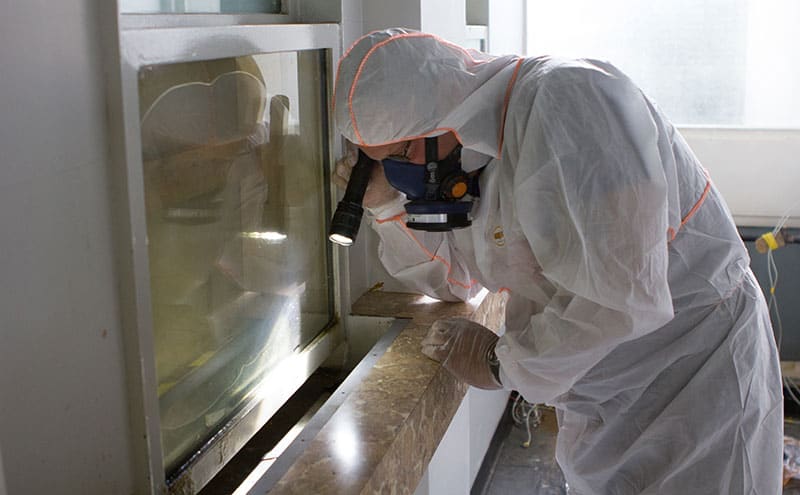
Modern asbestos testing follows a structured and highly regulated process. Certified specialists begin by assessing the building’s age, construction materials, and previous maintenance records. Samples are then collected from suspected areas using controlled methods that prevent fiber release. According to recent industry reports, over 95% of professionally collected samples result in accurate laboratory identification, ensuring reliable data for decision-making. After analysis, specialists provide comprehensive reports detailing the type and condition of asbestos materials, along with recommendations for safe management or removal.
What Safety Guidance Comes With Professional Asbestos Testing?
Professional asbestos services go beyond testing; they include full safety guidance tailored to each property. Statistical studies indicate that buildings managed under professional asbestos protocols show a 90% reduction in accidental fiber release during renovations. Specialists advise on immediate containment strategies, proper personal protective equipment, and legal requirements for removal or disposal. For property owners, this guidance reduces both health risks and regulatory liabilities, making compliance straightforward and measurable.
Why Is It Important to Choose Certified Asbestos Test Specialists?
Not all testing services provide the same level of reliability. Data from industry audits reveal that uncertified or DIY testing methods result in a 40% higher chance of false negatives, leaving hazardous materials undetected. Certified specialists follow UKAS-accredited procedures, ensuring accurate detection and reporting. They also offer structured risk assessments, which are crucial for maintaining workplace safety standards and meeting legal obligations. Choosing a certified professional translates into both peace of mind and verifiable safety outcomes for occupants and workers.
How Can Homeowners and Contractors Benefit From Expert Guidance?
Beyond testing, specialist guidance equips homeowners and contractors with actionable knowledge. Research suggests that properties managed with professional asbestos advice experience fewer incidents of accidental fiber exposure. Experts recommend practical steps such as sealing damaged materials, scheduling controlled removal, and monitoring air quality post-intervention. Additionally, detailed documentation from specialists supports insurance claims, compliance checks, and future property transactions, demonstrating a clear commitment to health and safety.
What Are the Key Takeaways for Managing Asbestos Safely?
The statistical evidence is clear: proper asbestos testing and guidance dramatically reduce health risks. For older buildings, a proactive approach involving certified specialists ensures that asbestos is accurately identified, safely managed, and effectively removed if necessary. By combining rigorous testing with professional safety advice, property owners and contractors can mitigate legal, financial, and health risks while maintaining a safe environment for occupants.
In conclusion, asbestos testing is not just a regulatory step—it is a vital part of protecting lives. Engaging certified specialists ensures accurate detection, comprehensive safety guidance, and reliable risk management strategies. For anyone involved in property maintenance, refurbishment, or demolition, investing in professional asbestos testing is both a responsible and data-driven decision.